


Drop-and-Hook Truck Accidents
These types of accidents happen during common freight procedures.
A truck drops off a trailer and immediately hooks up another. When a drop-and-hook truck accident occurs in Las Vegas, it can cause major damage.
Drivers will typically do a basic check but will not inspect or load the cargo.
There can be hidden loading errors, and cargo can shift if improperly secured.
Liability for drop-and-hook accidents can be complicated. It can often extend beyond the driver or trucking company.
Common Reasons Why it Happens
A drop-and-hook accident is supposed to be safe and fast.
A driver will drop off a trailer, and another one is hooked up.
These trailers can be empty or full depending on the assignment.
An accident can occur in many ways.
- Improper Loading: This is the most common reason for a safety concern. When cargo shifts, it can cause accidents like rollovers. It is often caused by loose or unsecured freight. Uneven weight distribution and cargo being overloaded beyond its legal limits.
- Mechanical or Equipment Failures: There is a rise in drop-and-hook accidents caused by mechanical wear and equipment failing. The most common issues are worn kingpins, faulty lock mechanisms, and poor overall trailer maintenance. Brake and tire defects will increase the odds of a drop-and-hook accident.
- Cargo Securement Failures: There are federal rules in place to make sure that cargo is secured safely. The (49 CFR Part 393) is one of these. There are minimum standard requirements for tie-downs, bracing, blocking, and weight distributions. This is to stop cargo from shifting during braking and turns. Broken and missing tie-downs and a failure to follow the Federal Motor Carrier Safety Administration (FMCSA) standards are often the cause of accidents.
- Driver Fatigue or Distracted Driving: When a trailer is not loaded properly and a driver makes poor decisions, the risk for an accident increases. Drivers are often in a rush, pushing the limits of speed and hours on the road. This is a recipe for disaster when the trailer being hauled is in question.
Types of Drop and Hook Truck Accidents
There are many different types of truck accidents that can occur from a drop-and-hook incident.
Each accident is unique. A variety of factors will directly impact the type of crash that occurs.
Many of these crashes will often involve multiple vehicles.
- Jackknife Crash: This accident happens when a trailer swings out to an acute angle to the tractor. Drop and hook failures can cause this through shifting cargo and uneven weight distribution. The brake imbalance between the tractor and trailer can cause this to occur.
- Rollover Accidents: A trailer tipping can happen if the trailer is unstable. This is often due to loads that are top-heavy and freight that is poorly secured. Overloaded trailers are hazardous and can cause a rollover situation.
- Cargo Lost Load Incidents: When loads are left unsecured, cargo spills can occur from the trailer. Failure to follow cargo securement rules, broken tie-downs, and improper loading all can lead to spills. When this happens, other motorists can be impacted, and accidents can occur. Spilled freight can also do major damage to roads and vehicles.
- Blowouts: When freight is overloaded, the weight of the trailer can cause tires to burst. Drivers can find themselves in a situation where they can suddenly lose control of the truck. This can cause all kinds of devastation.
- Underride and Override accidents: Brake failures can occur, and a smaller vehicle can find its way under the trailer. This can be severe because of the size and weight difference of the vehicle and truck.
Who Can Be Held Liable?
Drop-and-hook accidents are some of the most complicated cases.
Determining who is liable is never easy.
There are most often multiple parties involved. Liability rarely falls on one person or party.
Many parties play a role in how a trailer is loaded, inspected, secured, and ultimately hauled.
Here are some of the most common parties that can be held responsible for a drop-and-hook accident.
- Truck Diver: If the driver’s own negligence is responsible for the crash they can be held liable. In cases where the driver did not load the trailer, they can still have liability. Speeding, driving distracted, DUI and maneuvering unsafe are common examples. However, the driver has an obligation to check the 5th wheel connection.
- Trucking Company: The motor carrier can be held liable for the driver negligence in some cases. The trucking company can be held liable if you can prove that they are negligent. This can include poor hiring, training, safety compliance and supervision. A failure to maintain the tractor or coupling system may be to blame. Nevada is one of the states where trucking companies are regularly held liable with the driver.
- Loader / Shipper: Whoever loaded the trailer can be held responsible if it caused an accident. These liable parties can include the warehouse, distribution center or shipper. Negligence is often the cause of drop-and-hook accidents.
- Freight Broker: Freight brokers can be liable for negligent selection of an unsafe carrier. They have a duty to use reasonable care when hiring. A freight broker must not overlook clear safety red flags. Hiring unqualified or unvetted drivers and those with poor safety ratings can come back on the freight broker if an accident occurs.
- Maintenance Contractors: In accidents caused by a faulty kingpin, braking system, or a faulty 5th wheel, maintenance or repair companies can be held liable. Examples of this is when repairs were not made correctly or they missed the defects.
- Manufacturers: They can be held for defective parts that caused an accident. If a trailer structure, kingpin, or 5th wheel contributed to a crash, they can be held liable.
- Multiple Parties: Nevada’s comparative fault law (NRS 41.141) allows fault to be divided up among a multitude of parties. Drop and hook accidents often involve shared liability where more than one party is responsible.

Why Hire Richard Harris
Having Richard Harris Law Firm on your side is advantageous.
A drop-and-hook truck accident is more complex than other personal injury cases.
We understand these types of cases and how to get the evidence needed to win.
If you were injured in a drop-and-hook truck accident, it will be vital to get the help of an experienced attorney for many reasons.
- Multiple Parties Involved: A drop-and-hook truck accident will often have multiple parties responsible. Besides the driver, the cargo loader, trucking company, manufacturer, or a number of others can be held liable. We know how to track the evidence and find out who is ultimately at fault. This will be difficult on your own, if not impossible.
- Preserving the Evidence: This needs to happen right away. Evidence can disappear quickly in these types of crashes. This means that critical evidence can be gone in days. Driver logs, drug and alcohol records, and black box data are key pieces of evidence that need to be preserved.
- Investigate Cargo Loading Negligence: You need to know how to investigate the cargo loaders and what to look for. This is often the reason for these types of accidents. Checking on how the cargo was loaded is an important factor.
- Take on Trucking Company Insurers: It is much too challenging to fight the trucking insurance company alone. They will blame everyone else in these situations. This includes drivers and loaders. They will minimize the damages and try to settle claims for less than the value. Richard Harris will fight the insurance company.
- Understanding Nevada Trucking Laws: Evidence can disappear in a number of days or weeks. We will move quickly to secure it. This includes securing black box data, maintenance logs, and interviewing witnesses. Cargo records will need to be secured. We will make sure that deadlines and evidence requirements are met.
- Decades of Truck Case Experience: We know how to win these types of complex trucking accident cases. We have recovered billions for our clients.

FAQs on Drop-and-Hook Truck Accidents
Drop-and-hook truck accidents are different from ordinary truck accidents.
This is because the driver is hooking to a pre-loaded or maintained trailer.
This creates unique liability issues.
What should I do after an accident?
The first thing you should do is get a medical evaluation. Even if injuries seem minor. Early medical documentation is vital to your case. Next, you will need to document the case. Get photos of the trailer, cargo, and hook connections. Get the names of the loaders, staffers, or anyone else involved along with an incident report. Contact the Law Offices of Richard Harris.
Should I request surveillance footage?
Yes. It will be difficult to get this on your own. You will need a truck accident attorney that understands how to do this. Las Vegas hotels, trucking companies, and warehouses where the loading took place will never just hand over this footage to you. Richard Harris knows the steps needed to get access to this valuable evidence. You must move quickly because footage will get erased as time goes by.
When should I contact a personal injury attorney?
Immediately. After an accident, trucking companies and their insurers will begin to put together a legal team right away. You will need to do the same. This will help you to preserve evidence, request surveillance footage, and protect your rights. Richard Harris will protect your rights and seek to get you the maximum compensation for the damages.
What is a liability map, and why is it important?
This is an essential part of a drop-and-hook accident because there is rarely only one party responsible. Who made the mistakes? It is common that multiple parties will touch the trailer before the accident happens. The liability map helps you to identify who is involved and what parties to investigate. It allows you to know what evidence is vital to preserve and how the fault is shared. The liability map will also allow you to prepare against the insurer trying to shift the blame.
What injuries are most common?
The hazards that cause injuries in drop-and-hook truck accidents are improper cargo loading, trailer instability, and faulty hook and connection equipment.
Because of the high-force impacts and instability, these truck injuries tend to be more severe.
- Crush injuries occur when a trailer drops, detaches, or rolls. Cargo can fall during loading or after the trailer is hooked up. These injuries to the legs, pelvis, and ribs can be life-threatening.
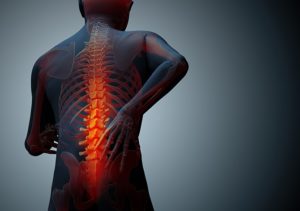
- Back and spinal injuries can occur in a rollover and jackknife accident where there is a violent impact. Permanent paralysis can result.
- Traumatic Brain Injury (TBI) can happen in collisions where the head is involved.
- Broken bones are common injuries in trailer drop incidents.
- Internal organs can be injured by a high-force impact.
- Burns and chemical exposure can occur when a truck is carrying hazardous materials. This is relevant in the industrial warehouses and zones in Nevada.