

Motorcycle Passenger Injury Lawyer: Hurt as a Passenger in Nevada?
Key Takeaways
- You have a claim, and as a passenger you almost never share fault. Riding without a helmet only affects head and face injury damages, not the rest of your case.
- More than one insurance policy may be on the hook. The driver’s, the other driver’s, and often your own auto policy can all pay toward your bills.
- Suing a friend or spouse means the insurance pays, not them. Their savings stay safe. The policy was bought for exactly this.
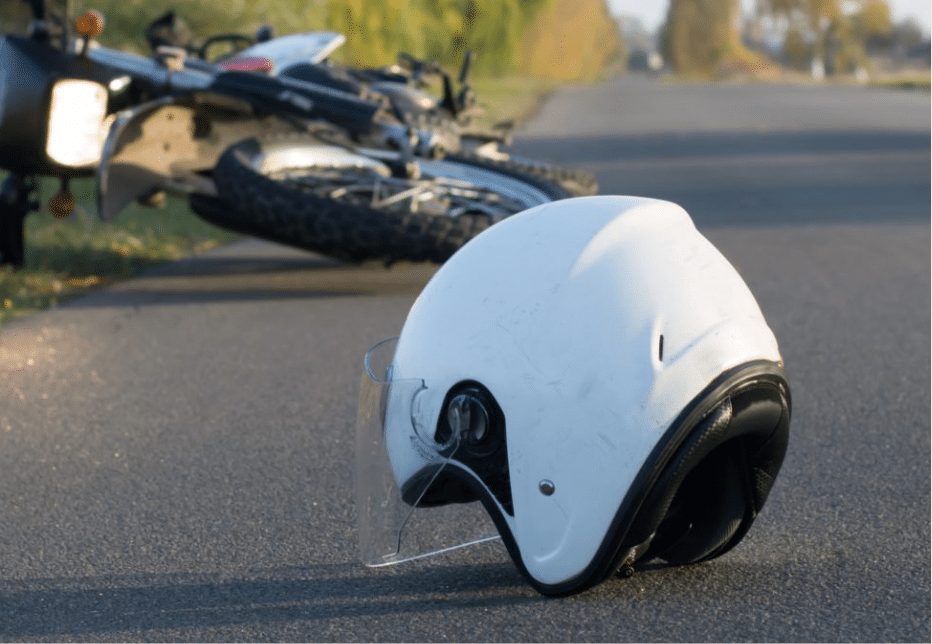
You were on the back of someone else’s bike when the crash happened. Maybe the driver you were riding with made a bad call. Maybe a car turned left into both of you. Maybe a pickup never saw the motorcycle at all.
You may still be sorting out hospital follow-ups, what to say to the driver, and which insurer keeps calling.
The legal side looks different for a passenger than for an operator. You have a claim. You almost certainly were not at fault. And you may have more than one insurance policy to pursue.
As a Nevada motorcycle accident lawyer, we have walked passengers through every version of this: the friend driving, the spouse driving, the third-party driver who caused it all. The first call is free. We work on contingency, so there is no fee unless we win.
Who Pays When a Motorcycle Passenger Is Injured in Nevada?
The at-fault driver’s liability insurance pays first, whether that is the motorcycle operator you were riding with or another driver who caused the crash. When more than one driver shares fault, both policies are in play. If coverage runs out or the at-fault driver was uninsured, your own auto policy’s uninsured or underinsured motorist (UM/UIM) coverage often steps in. Nevada’s modified comparative negligence rule (NRS 41.141) protects passengers, who are rarely assigned any fault.
Who You Can Sue After a Motorcycle Passenger Injury
Most passenger cases have more than one defendant on the table. The strongest claims pursue all of them in parallel rather than picking one and hoping the policy is large enough.
- The motorcycle operator you were riding with: If the operator was speeding, drinking, distracted, or made a careless lane change, their liability policy covers your injuries. Riding with a friend or spouse does not waive your right to sue. Nevada treats it as a standard negligence claim, and the check comes from the insurance company, not their personal bank account.
- The driver of any other involved vehicle: A car that turned left across the bike’s path, a truck that drifted into the lane, a driver who ran a red light. Fault in most Las Vegas motorcycle crashes lands on the other vehicle’s driver, not the motorcyclist.
- A defective-part manufacturer: Brake failure, tire blowout, or faulty fuel system. Product liability claims pull the manufacturer in on different evidence rules than ordinary negligence.
- A government entity for road conditions: An unmarked pothole, a malfunctioning traffic signal, a botched repaving job. NDOT, Clark County, or a municipal authority can be on the hook, with shorter notice deadlines than ordinary defendants.
Nevada’s Helmet Law Applies to You, Too
NRS 486.231 requires both the operator and the passenger to wear a DOT-approved helmet when the motorcycle is on a public highway. The duty is identical: the statute says the “driver and passenger shall wear protective headgear.” Eye protection (goggles or a face shield) is also required unless the bike has a windscreen meeting state specs.
Riding without a helmet does not bar you from suing.
Nevada has not adopted the rule that a passenger not wearing a helmet forfeits non-economic damages.
What it does do is give the defense an argument: head injuries (concussion, TBI, facial scarring) would have been less severe with a helmet, and they use that to push the comparative-fault number. The medical evidence either supports the argument or it doesn’t.
An experienced lawyer brings in expert testimony to keep the fault percentages honest.
How Comparative Negligence Works for Passengers
Nevada uses modified comparative negligence under NRS 41.141. Each party gets assigned a percentage of fault. Your award is reduced by your percentage. And if you hit 50% or more, you recover nothing.
The math is the whole game in any injury case. As a passenger, you start with a major advantage: you almost never have any fault to assign.
You had no control of the bike. No role in the lane change. No input on the speed. No decision over whether to drink before riding. Insurance adjusters know this, which is why passenger claims often settle faster and at higher relative value than the operator’s own.
The exceptions are narrow and fact-specific. Helmet non-use only affects head and face injury damages, not the whole claim.
Knowingly getting on the bike with a visibly impaired operator lets the defense argue assumption of risk, though it rarely lands as a heavy fault percentage without independent evidence that you saw the drinking. Physically interfering with the operator (grabbing the handlebars, leaning the wrong way mid-turn) requires more than the driver’s own word after the fact. Riding in a way the bike was not designed for (standing up, hanging off the side) can shift a small share.
Outside those edges, you walk into the claim at 0% and stay there. The fight is over how the percentage gets split between the operator and the other driver. Both carry policies you can collect from.
Stacking Multiple Insurance Policies
One thing passengers do not always realize: you usually have more sources of recovery than the operator does, and the order they get used in changes what ends up in your pocket.
- The motorcycle operator’s bodily injury liability: Nevada minimums under NRS 485 are $25,000 per person and $50,000 per crash. Many riders carry only the minimum, which a serious crash exhausts in a single ER visit.
- The other driver’s bodily injury liability: If a car hit the bike, that driver’s policy is on the hook too. Same Nevada minimums apply; many drivers carry more.
- Your own UM/UIM coverage: If you own a car, your auto policy’s uninsured/underinsured motorist coverage typically follows you onto the back of a motorcycle. When the at-fault policies tap out, UM/UIM picks up the rest. This is the layer most passengers do not realize they have.
- MedPay coverage: Some motorcycle policies include a no-fault medical-payments rider (often $1,000 to $10,000) that pays passenger ER bills regardless of fault. Worth asking about within the first week.
- Health insurance: Pays for treatment up front, then claims a portion back from the settlement (subrogation). Not “extra” money, but it keeps providers from sending you to collections while the case plays out.
Common Passenger Injuries
A passenger gets hurt differently than the operator does. You sit higher on the bike, have nothing to grip except the person in front of you, and cannot see what is coming. The injuries follow from that.
- Traumatic brain injury: Head strikes against pavement, the operator’s back, or a fixed object. NHTSA estimates helmets reduce rider fatalities by 37% and passenger fatalities by 41%, and they reduce head-injury risk by 69%. Severe TBI claims push case value into seven figures once lifetime care gets added up.
- Road rash and burns: Passengers thrown off the bike slide across asphalt, often without the gear an operator wears. Road rash ranges from cosmetic scarring to deep wounds needing skin grafts.
- Spinal cord injuries: Vertebral fractures, herniated discs, and partial paralysis from lateral force and ejection.
- Leg and pelvic fractures: Legs hang exposed on either side of the bike. A side-impact crash crushes the leg between the motorcycle and the other vehicle.
- Internal organ damage: Liver, spleen, and kidney injuries. Often silent for hours before symptoms appear, which is why same-day medical evaluation matters.
Nevada has been ranked among the most dangerous states for motorcyclists by some industry analyses of federal crash data. Clark County recorded 61 motorcyclist deaths in 2024 and 50 in 2023, per the Nevada Office of Traffic Safety.
Passenger fatalities are usually not broken out separately, which can make these cases feel invisible until you talk to a lawyer who has handled them.
What to Do as an Injured Motorcycle Passenger
The first 72 hours decide more of the case than most passengers realize, and almost nothing you need to do in that window is hard.
- Get evaluated medically the same day, even if you feel okay. Adrenaline masks pain and shock hides internal bleeding. A documented hospital or urgent care visit ties symptoms to the crash, which the defense will otherwise say happened later.
- Avoid recorded statements to either insurer. Both the operator’s carrier and the other driver’s carrier will call. You are not required to give a statement to anyone other than your own insurance, and what you say to opposing adjusters gets used to argue fault.
- Document the scene if you are able. Photos of the bike, both vehicles, the road, and your injuries. If you were too hurt to take pictures, a friend, family member, or the operator should. Visual evidence beats verbal description every time.
- Track every expense. Medical bills, prescription costs, mileage to appointments, missed work, and any out-of-pocket spending. A simple spreadsheet pays for itself many times over at the settlement table.
- Talk to a lawyer before signing anything. Insurers offer fast, low settlements while you are still scared and still in treatment. Once you sign, the claim is closed even if your injuries get worse. The first call is free and does not commit you to anything.
Suing a Friend or Family Member
Most passenger cases involve riding with someone you know. The hardest call clients make is whether to file against a friend, sibling, or spouse.
The answer is usually less of a problem than it feels. The lawsuit names the driver, but the payout comes from their insurance carrier, not their savings. The driver’s premium may go up. Their personal assets are not at stake unless they were uninsured or the injury exceeded policy limits by a large margin.
Failing to file leaves you holding medical bills the insurance was bought to cover. Most operators want their friend or spouse paid. They bought the policy for exactly this scenario.
Talk to a Nevada Motorcycle Passenger Attorney Before Adjusters Lock You In
A passenger case is a coordination problem dressed up as a legal one. Two or three insurers. Overlapping policies. A comparative-fault argument aimed at the operator instead of at you. A 2-year deadline that starts the day of the crash, not the day you finish treatment.
The job is usually the same every time: get the medical record put together right, get every applicable policy on the table, and keep the operator’s carrier from quietly pushing fault into the empty seat behind them.
If you were riding on the back of a motorcycle in Las Vegas, Henderson, Reno, or anywhere else in Nevada when the crash happened, call any time. The earlier we start, the more evidence is still where it should be.
Frequently Asked Questions
Can I Sue the Motorcycle Driver I Was Riding With?
Yes. Nevada treats a motorcycle passenger injury claim as a standard negligence case, and you can sue the operator regardless of whether they are a friend, family member, or stranger. The payout comes from their bodily-injury liability policy, not their personal assets. The 2-year deadline (NRS 11.190(4)(e)) applies from the date of the crash.
What if My Spouse Was Driving the Motorcycle?
You can still file a claim, but check the policy first. Many auto and motorcycle policies include a household exclusion that bars claims by a resident spouse against the named insured. If the exclusion applies, recovery shifts to the other at-fault driver’s policy and your own UM/UIM coverage. Some Nevada carriers omit the exclusion, so the policy language controls. Every situation is specific. Talk to a lawyer about your own facts before assuming one outcome or the other.
Does Nevada’s Helmet Law Affect My Motorcycle Passenger Injury Claim?
Only for head and facial injury damages. NRS 486.231 requires passengers to wear a DOT-approved helmet, and a violation gives the defense an argument that some injury was preventable. It does not bar your claim. The reduction (if any) applies only to non-economic damages tied to head trauma, not to broken bones, road rash, or lost wages.
Whose Insurance Pays First, the Driver’s or the Other Driver’s?
The at-fault driver’s policy pays first, whichever driver that is. When fault is shared, both insurers contribute in proportion to fault percentages under NRS 41.141. If the at-fault driver was uninsured or coverage runs out before your bills do, your own auto policy’s uninsured/underinsured motorist (UM/UIM) coverage steps in (Nevada minimums under NRS 485 are only $25,000 per person).
Can I Be Held Partially at Fault as a Motorcycle Passenger?
Rarely. Passengers are typically assigned 0% fault because they had no control over the bike. The exceptions are narrow: knowingly riding with an impaired driver, physically interfering with the operator, or riding without a helmet (which only affects head-injury damages). Even when one applies, you can still recover under NRS 41.141 as long as your share stays below 50%.
How Long Do I Have to File a Motorcycle Passenger Injury Claim in Nevada?
You have 2 years from the date of the crash under NRS 11.190(4)(e). This deadline (statute of limitations) applies whether the case settles or goes to trial. Claims against a government entity (such as NDOT for a road defect) require a notice filed within 6 months under NRS 41.036. Wrongful death claims also run on a 2-year clock from the date of death.