


Dealing with Insurance Company When Car is Totaled
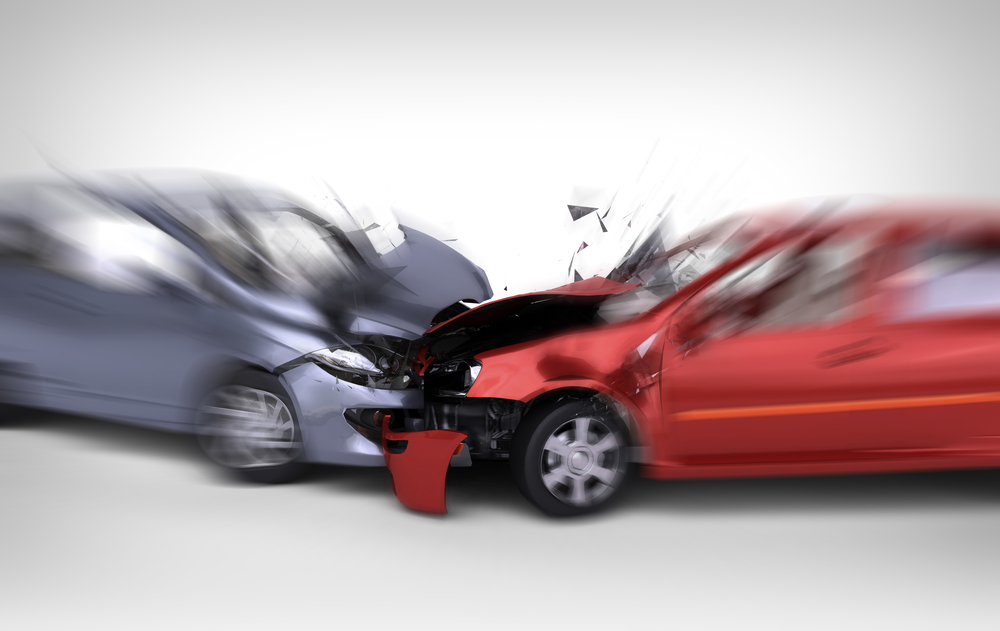
Getting in a car accident can be stressful on all those involved. You may not know what to do next.
When your car is totaled, there are complications that are added to the situation.
Injuries are often the result of a totaled car crash. How to deal with the insurance company is a major part of the recovery process. It can be tough on your own.
Having an attorney on your side to fight for you is highly recommended.
When is a Car Declared a Total Loss in NV?
After an accident in Nevada, insurance companies have certain rules that will decide if a vehicle is totaled.
It must be declared a total loss if the car repairs cost over 65% of the pre-accident fair market value of the vehicle.
Once the vehicle is declared totaled repairs will no longer be the issue. Settlement negotiations will start from this point on.
Knowing this can help you make sure that the insurance companies are following the law and not taking advantage of you.

Who Receives the Check from the Insurance Payout?
There are many scenarios that can occur in a totaled car accident with the payout.
These are the most common.
- Owner of the Car: In the case where you own the vehicle outright, then you, the policyholder, will receive the check from the insurance company.
- Financed Car: The lender is the lienholder and is named the loss payee. The lender will get paid first. This will settle the remaining loan balance. If there is money left over after the lien is satisfied, then you will receive the remaining amount.
- Leased Car: If the car is leased, the leasing company is named the loss payee on the policy. The insurance company will have to pay off the leasing company to cover the amount. If the cash value is deficient then you are responsible for the remaining balance. Gap insurance will cover the remaining payment if you have it.
- Multiple Owners and Lienholders: In this scenario all the parties on the title and in the loss payee clause will need to get paid. Everyone’s interests are protected. Settlement checks are usually paid jointly to each person or party on the policy.
What is Gap Insurance and How Does it Work?
Gap insurance provides a bridge to your coverage. It will cover the difference between the insurance company payout and the remaining balance on the lease or loan. When a car is declared totaled, most insurance policies will pay the actual cash value (ACV) of the vehicle. In some cases, it may be less than what you still owe on the car. This is why having gap insurance can be a major benefit. Let’s take a deeper look.
How Does Gap Insurance Work: If you carry gap insurance with your other insurance coverage the insurance company will calculate the ACV if there is a total loss. If the ACV is less than the outstanding balance then the gap insurance will cover the remaining. This is usually paid directly to the lender or leasing company.
When is Gap Insurance Used: Remember that gap insurance only applies when the vehicle is declared a total loss. It does not apply if there is theft or repairable damage less than the 65% of the vehicles fair market value. There must also be an active comprehensive or collision insurance policy on the vehicle at the time of the accident. In most cases you can’t add on gap insurance after the crash.
Benefits of Gap Insurance: Having this coverage can prevent you from having to pay the money owed on your vehicle. This can save you thousands. This provides added coverage, especially at the beginning of the lease or loan, if a total accident occurs. The coverage is often available at a reasonable cost. It can be paid in one payment or in monthly installments. Overall, gap insurance can give you peace of mind that you are covered in these types of situations.
Limitations of Gap Insurance: There are costs that gap insurance will not cover. This includes missed payments, late fees, and deductibles. If you have negative equity from a previous loan, it will not cover this either. There are limitations on the percentage of what the gap insurance will pay. It will usually pay between 25% and 50% of the ACV. If there are high loan balances, it may not be enough to cover everything.
Does Gap Insurance Cover Engine or Transmission Failure?
No. Gap insurance does not cover mechanical issues like engine or transmission failure.
It only covers the costs when the car is declared totaled and covered by your collision or comprehensive insurance.
This is most often from a car crash or when the vehicle is stolen.
Why Hire Richard Harris if You Are Injured?
An accident can leave you with no car and with injury in many cases. It is important that you focus on recovering.
It is also equally vital that you have a highly respected personal injury attorney that can protect your rights.
Dealing with insurance companies, medical expenses, and legal issues can be difficult after any accident.
This is especially true when there is injury and a totaled vehicle. Here are just some of the ways we can help.
- No Upfront Fees: At the Law Offices of Richard Harris, we work on a contingency-fee basis. This means that there are no upfront fees. We only get paid if you win your case. That’s a lot of incentive to get you compensated.
- Experts in Dealing with Insurance Companies: We understand how insurers work and what we do. They will often try and lowball a claim. Having an attorney with years of experience fighting the insurance companies is valuable. We won’t let them take advantage of you. There will be paperwork and filings that will need to be done in a timely manner. We will make sure all deadlines are met and filings are done properly.
- Evidence Gathering: Gathering evidence after an accident is critical to winning your case. Photos, videos, and other forms of evidence will need to be gathered in order to prove your claim. Understanding how to question witnesses and get statements from them can be helpful. If the case is settled or goes to court, having a credible witness can make the difference in the outcome.
- Building a Winning Case: This will take an attorney that ‘Knows Nevada’ and how to win. Putting together medical records, police reports, and lost wages documentation will be necessary when building your case. Being well organized and delivering a comprehensive legal case is necessary to getting the maximum compensation.
- Negotiations or Trial: Richard Harris is here to help you through negotiations and in court. Most personal injury claims can be settled through negotiations. This will take a skilled attorney to get you the compensation you deserve. In cases that are unable to be settled through negotiations we can represent you in court as well. Our highly respected trial attorneys are ready to fight for you if necessary.
Common Injuries in a Totaled Car Accident
A totaled car accident can have serious injuries.
When there is enough impact that a vehicle is considered to be totaled, the results can be devastating. Injuries can be severe and, in some cases, life-changing with long-term consequences.
- Head Injuries: The head can be injured in many ways. Even the least of these injuries can have long-term effects on a person’s life. Concussions, contusions, and skull fractures are some of these. Traumatic brain injury is one of the most common head injuries after a serious crash. These injuries occur when the head hits a steering wheel, dashboard, or window. The impact can cause bruising of the brain. The head can contact multiple things in a crash and be injured in these various areas. Penetrating head injuries can occur if glass or steel punctures the skull and penetrates the head and the brain. The chance of long-term care is a possibility anytime the head is injured.
- Back and Neck Injuries: Hyperextending the neck and spine area in a car crash is common. Whiplash can happen by the quick and violent back-and forth movement that happens in car accidents. Bulging discs, vertebrae fractures, and spinal cord injuries can cause paralysis in severe cases. This can lead to long-term rehabilitation and care.
- Fractures and Soft Tissue Injuries: All bones are at risk in a totaled car crash. Ribs, arms, legs, and pelvis are common breaks. Sprains and strains of ligaments, muscles, and tendons can be injured. These injuries can happen at impact. Car accidents can cause the body to twist and turn in ways that do serious harm. Injuries will often need surgery, rehabilitation, and time to recover.
- Internal Injuries: This type of injury occurs from a blunt force trauma to an internal organ. Internal bleeding can be life threatening. This is so dangerous because the internal injury may not be noticed at the time of the accident. Getting proper medical treatment is vital after internal injuries. Liver, spleen, kidneys, and other organs are at risk in car accidents.
- Emotional Trauma: A serious crash is a traumatic experience. After the accident the person can be left with anxiety, depression, and post-traumatic disorder (PTSD). The phycological wounds may take longer to heal than the physical ones. This condition is not to be taken lightly. It is important to seek medical treatment and professional emotional support if you have emotional trauma after a totaled car crash.
- Facial and Teeth Injuries: Bones in the face and teeth can be injured in car accidents. Airbags can save lives but can cause injuries to the face in some instances. Flying debris and steering columns can do damage. The parts of the face like the jaw, nose, and orbital bones are at risk in accidents. Surgery is often required with facial injuries. Lacerations can result in scarring which can be traumatic and change the appearance of a person. These types of injuries can be mentally challenging and have serious impact on a person’s psyche.
3 Common Insurance Company Tactics to Watch Out For
Insurance companies will often deploy specific tactics after a totaled car claim. These will be used to try and minimize their payout of the claim. It is important to understand this when dealing with them. Richard Harris has been taking on the insurance companies in Nevada since 1980.
Settlement Pressure: The insurance companies will make you feel like they are giving you their best offer. They will put pressure on you to settle quickly and take what they are offering. These offers will often omit medical expenses and ignore treatment in the future. An attorney that is knowledgeable in these tactics will see right through this strategy. You have no obligation to accept an initial offer.
Delaying Your Claim: Insurance companies know how to drag out claims and make you wait. This could be in their communications with you or their handling of paperwork and filings. Repeatedly requesting the same documents and losing emails is unfortunately a strategy they use. They may take weeks to get back to you to update your claim. Delays like this will make your expenses increase as time goes on. They know medical costs, living expenses, and lost wages will add stress to your life. It is vital to keep records of everything. Follow up and force them to respond. Having an attorney is important to put the pressure back on them.
Lowball Valuation on Your Car
The strategy of undervaluing your car before the accident is a way for them to try and pay you less than deserve.
They will sometimes use outdated sources and numbers in their reports. They will leave it up to you to challenge the numbers.
Depreciation rates can skew the value. Failing to account for the mileage and upgrades are other tactics. It is important to always check comparable values in your area. Be well organized and aware of what they are up to. This way you can fight back against being low balled.