


Truck Trailer Hitch Failure
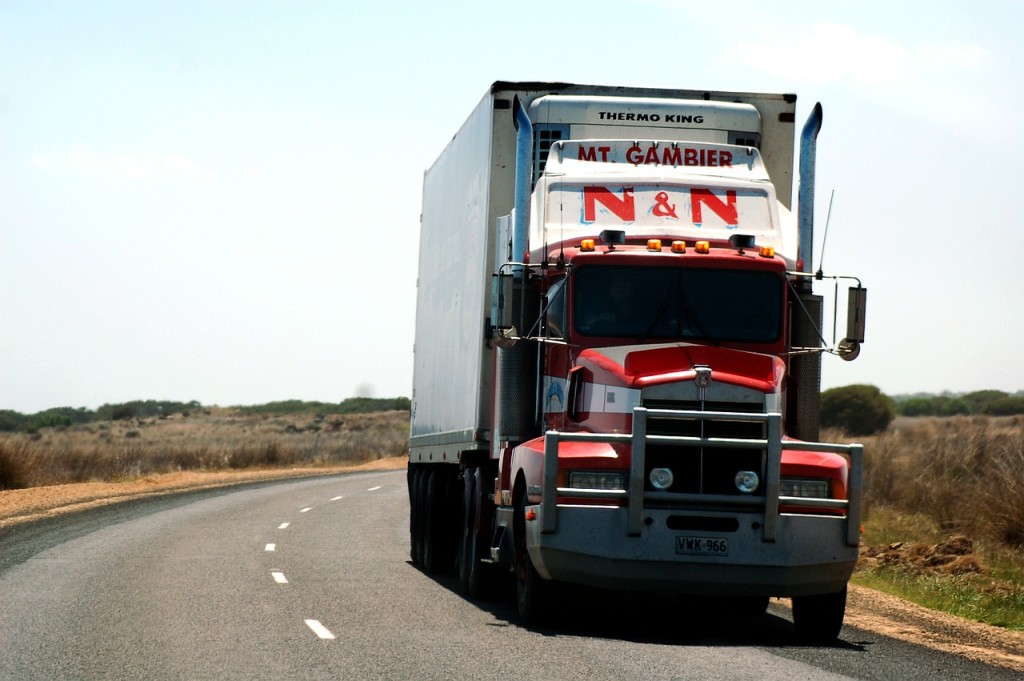
Trailer hitch failure accidents can happen in an instant. With all the vehicles transporting loads with trailers in Las Vegas it is only a matter of time.
Some of the largest loads will be behind trucks. When an accident does happen, the results can be devastating.
Our city has seen fatalities from these types of mishaps.
If you or a loved one is the victim of an accident caused by a trailer hitch failure you will need a lawyer.
Our truck accident attorneys at Richard Harris understand these cases.
We are here to answer any questions that you may have. It is impossible to eliminate all these accidents.
There is always a risk when any vehicle is carrying a trailer behind it.
However, the negligent person or party should be held liable. We will fight to get you the just compensation for the damages that you deserve.
Contact us today and schedule an appointment.
The initial consultation is always free.
Types of Trailer Hitches
A trailer hitch is a device that connects a trailer to the back of the vehicle.
Most of the time these hitches are on the back of trucks, cars, vans, or an SUV. The hitch will often contain a ball mount.
This will come with a pin and a locking apparatus. It is meant to provide a safe way to tow.
When there is a failure in a trailer hitch there can be serious damages.
There are many different types of hitches that are specific to the type of vehicle and size of trailer.
- Rear Receiver Hitch – A universal usage hitch. Attaches to most vehicles. This type can tow trailers, campers, cargo carriers, and even bike racks.
- Front Mount Hitch – This is a hitch that attaches to the front of the vehicle. Attaches to things like winches and plows.
- Gooseneck Hitch – Tows flatbeds and livestock trailers. This attaches in the truck bed and is used for commercial and industrial type of usage.
- Weight Distribution Hitch – This attaches to a rear receiver hitch. It is for towing heavy items safely.
- Bumper Hitch – This is attached on the bumper of the vehicle. Mostly used for light items like bike racks.
- Pintle Hitch – This is often used for large items. Mostly used for commercial, industrial, and agricultural towing.
These are just a few of the common types of hitches.
They are all designed for towing safely. It is vital to know the limitations of the hitch.
Having the right hitch that meets the specific needs is important. This is not always the case.
When a wrong hitch is used or not attached properly an accident will eventually happen.
When there is an injury that was caused by a hitch failure, we will find out who is responsible.
Once we can determine liability, we will than seek damages.
The Law Offices of Richard Harris will seek to get you the maximum compensation!
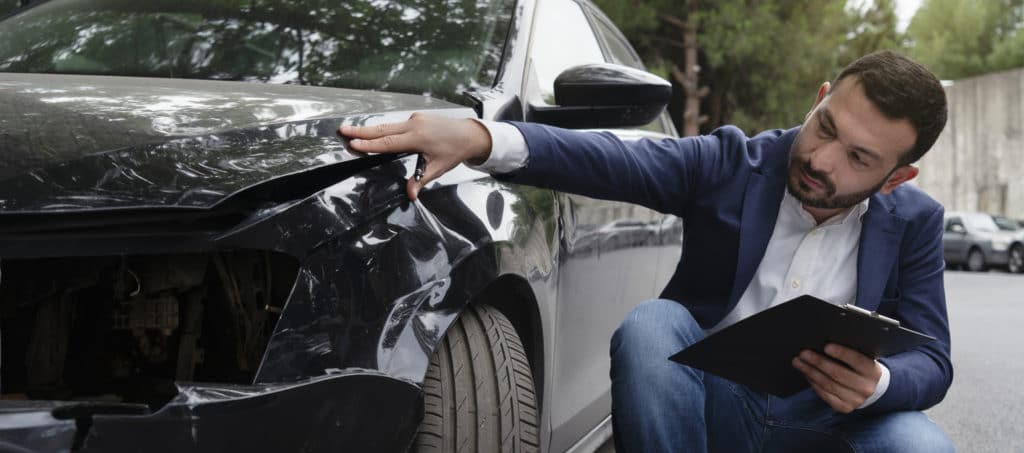
Reasons For a Failing Trailer Hitch Accident
Imagine cruising down a Nevada highway or city street and a trailer hitch fails.
Unfortunately, this does happen and can result in a catastrophe.
Multiple cars can be involved in a wreck of this type.
Serious injuries and damages will often take place.
Here are some of the main reasons why these accidents occur.
- Hitch Defects – A defective hitch can cause it to fail. This can be traced back to the manufacturer. A poorly designed product can be deadly.
- Improper Installation – Error on the installation can cause a trailer to separate from the vehicle. An employee or vehicle owner that installed it can be held responsible.
- Braking System – The brake system needs to be adequate for the load and weight it is pulling. If the brakes do not respond properly the hitch can fail.
- Defective Trailer Coupler – This is the part that connects the hitch on the vehicle to the trailer. This must be the proper size and fit. If not, misfortune can happen.
- Overweight Loads – This is a recipe for disaster. Too much stress can cause the hitch will cause it to fail. Having too much weight will cause a hitch to break over time. It will also put added stress on the brakes and other systems of the vehicle.
- Road Hazards – A wet or icy road can cause a crash. If there is an accident the hitch can fail from the impact of the crash. Debris, potholes, and other dangerous road conditions can cause a hitch to fail.
- Improper Maintenance – Not taking care of the hitch can lead to rust and other issues. If the hitch is not maintained properly it can fail.
Truck companies have strict towing rules that they must follow.
Anyone that is towing a trailer must follow certain safety procedures in order to keep the roadways safe.
The Federal Motor Carrier Safety Administration (FMCSA) also has certain requirements.
The trailer in tow must be coupled to the vehicles frame or extension of it.
There is a heightened responsibility when transporting goods and products. Some of the trailers may be containing hazardous materials.
No one wants to be driving around a trailer when the hitch fails. The problem is that you will have no idea when it will happen.
If you are injured in an accident of this type, you will need an experienced personal injury attorney.
One that knows all about truck accidents.
Call the Law Offices of Richard Harris.
Who Is to Blame When a Trailer Hitch Fails?
In trailer hitch failure accidents blame can fall on individuals and companies.
Our attorneys will look at all the factors of the case and determine who is liable.
Then we can proceed with the lawsuit. Those liable can include;
- Driver – This is the most common cause of trailer hitch accidents. If the operator of the vehicle becomes distracted accidents will happen. If the driver improperly loads the cargo, it can cause a crash. Not attaching the hitch properly to the trailer can be disastrous.
- Cargo Loaders – Overloading a trailer is dangerous. The loaders must properly load the cargo and secure it. Having cargo moving around in the trailer is dangerous. Stress on the hitch can cause an accident if it fails.
- Manufacturers – If it can be proven that there was a design or manufacturing defect the manufacturer can be held liable. This is dangerous when no one is aware of the flaw. Damages can be tragic.
- Government – If the road is hazardous, it can cause a crash. Unmaintained streets can do serious damage to vehicles in tow. Road construction crews should have signage warning drivers of the upcoming dangers. If this is not the case the city or state agencies can be held liable.
Trying to take on big business or municipalities on your own will be difficult.
These cases are not always clear cut.
You will need an experienced attorney that knows how to fight them.
Richard Harris is a top personal injury law firm in Las Vegas, and has been in Nevada since 1980.
We know how to win these types of lawsuits.
We have won Billions for our clients.
Damages In a Trailer Hitch Failure Accident
If you were injured in a trailer hitch failure accident you have every right to recover damages.
Our skilled lawyers will seek to recover compensation for all the damages.
Some of these will include;
- Medical Costs – hospitalization, doctors’ visits, medicine, surgery, therapy, rehabilitation, etc.
- Lost Income – financial damages, loss of income in the present and future.
- Pain and Suffering – emotional distress, physical trauma.
If there is loss of life our personal injury attorneys are experts in wrongful death lawsuits.
We are here to help you in any way we can.
Contact our offices by phone, email, or walk in.
Tips For a Safe Tow
Getting from place to place safely while towing is the ultimate goal.
Here are some safety tips that can help this happen.
- Check Tires – Make sure they have the correct pressure and tread. This includes both the trailer and vehicle tires. Make sure that the bolts and lugs are tightened.
- Check Hitch – Make sure the coupler and other equipment are attached properly.
- Safety Chains – Make sure they are properly crisscrossed and not touching the road.
- Check Wires – They should not be touching the road and be safely attached.
- Lights – Make sure all the lights are working. Turn signals, hazards, and brake lights must be operational.
- Secure Cargo – Make sure that the load is secure. A shifting load can be catastrophic.
- Support System – It is imperative that any attachment stabilizers and mounts are correctly locked and in place.
- Check Balance – The trailer and the towing vehicle should be in balance with one another. Weight needs to be evenly distributed.
- Check Routes – Make sure the roads are safe to travel. Check and see the clearance of the overpasses, bridges or tunnels are safe for travel. This could be a nightmare scenario if not.
- Mirrors – The mirrors of trucks and other towing vehicles are a major help. There may still be blind spots when towing. Make sure to always be extra careful when changing lanes.
- Drive Cautiously – Don’t speed. Be patient and arrive at your destination safely.