


How to Gather Evidence After a Car Accident in Nevada
Key Takeaways
- The evidence you collect at the scene — photos, witness contacts, and your own notes — is time-sensitive and can’t be recreated later. Surveillance footage gets deleted, witnesses disappear, and physical evidence at the scene changes within hours.
- Your police report is an important piece of evidence but it’s only one part of a larger file. Photos, medical records, dashcam footage, and repair estimates all work together to build your claim.
- Document your injuries and recovery from day one — a gap in medical treatment gives insurance companies an opening to argue your injuries aren’t as serious as you claim.
What you do in the minutes and days after a car accident can make or break your insurance claim. Evidence disappears fast — tire marks wash away in the rain, businesses overwrite security footage, and witnesses move on with their lives. Your car accident police report is one critical piece, but it’s far from the only evidence you need.
If you or a loved one was injured in a crash, our car accident lawyers can help preserve evidence and build your case before it’s too late.
What Evidence Should I Collect After a Car Accident?
Start at the scene: photograph everything, exchange driver information, get witness contacts, and write down what happened while it’s fresh. After leaving the scene, seek medical attention, obtain your police report, and keep detailed records of every expense and medical visit related to the accident.
Evidence to Collect at the Accident Scene
If you’re physically able, begin documenting immediately after ensuring everyone’s safety and calling 911.
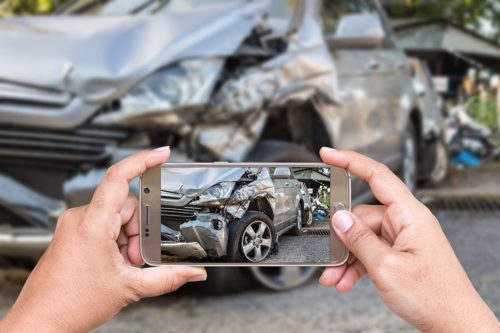
Photos and video
Use your phone to photograph:
- Vehicle damage from multiple angles
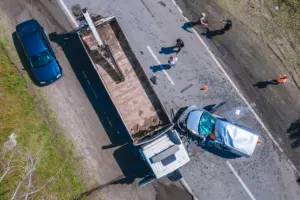
- The overall accident scene including intersections and traffic signals
- Skid marks and road debris
- Weather and road conditions
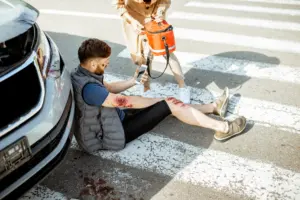
- Any visible injuries on yourself or passengers
- License plates of all vehicles involved
- Street signs or landmarks that identify the location
Take more photos than you think you need — it’s easy to delete extras, but impossible to go back and take ones you missed.
Driver and vehicle information
Exchange the following with every other driver involved:
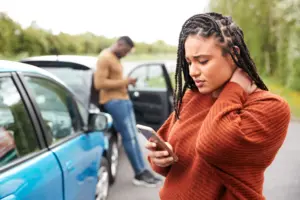
- Name, phone number, and address
- Driver’s license number
- Insurance company and policy number
- Vehicle make, model, color, and plate number
If the other driver is reluctant to share information, the police report will capture it, but getting it directly ensures you have it regardless.
Witness information
If anyone stopped to watch or came outside to see what happened, get their name, phone number, and email address. Independent witnesses — people who weren’t in any of the vehicles — carry the most weight with insurance companies and in court because they have no financial stake in the outcome.
Your own notes
As soon as you’re able, write down everything you remember about the accident — what you were doing, what you saw the other driver doing, the sequence of events, what was said at the scene, and how you felt physically.
Memory fades quickly, and a written account created close to the event is more credible than one reconstructed weeks later.
Evidence to Gather After Leaving the Scene
The work doesn’t stop once you leave the accident scene. Some of the most important evidence comes in the days and weeks that follow.
Police report: Request a copy as soon as it’s available — typically 7 to 14 days after the accident. Review it carefully for accuracy. For the full process, see our guide to getting your Nevada accident report.
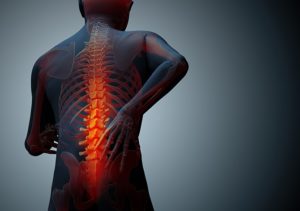
Medical records: See a doctor as soon as possible, even if you feel fine. Some injuries don’t produce symptoms immediately. Every medical visit, diagnosis, treatment plan, prescription, and referral related to the accident creates documentation that links your injuries to the crash. Follow your doctor’s treatment plan — skipping appointments or stopping treatment early gives adjusters ammunition to argue your injuries aren’t serious.
Dashcam and traffic camera footage: If you have a dashcam, save the footage immediately. Check whether nearby businesses, traffic cameras, or residential doorbell cameras may have recorded the accident. This footage can be overwritten within days, so time is critical. Your attorney can send preservation requests to prevent footage from being deleted.
Repair estimates: Get written estimates from one or more body shops documenting the damage and repair costs. If your vehicle is totaled, document its pre-accident condition and value.
Financial records: Keep records of every expense related to the accident — medical bills, prescription costs, transportation expenses (Uber/Lyft to medical appointments), rental car costs, and any out-of-pocket expenses. If you’ve missed work, document your lost wages with pay stubs, employer letters, or tax records showing your regular income.
How Your Attorney Uses This Evidence
Every piece of evidence serves a purpose in building your claim. Your attorney uses scene photos and the police report to establish what happened and who was at fault. Medical records document the severity of your injuries and their connection to the crash. Financial records calculate the dollar amount of your damages. Witness statements corroborate your version of events.
When the evidence is strong, settlement negotiations go more smoothly. When it’s weak — missing photos, gaps in medical treatment, no witnesses — insurance companies push back harder and offer less. The difference between a good outcome and a frustrating one often comes down to the evidence collected in the first 48 hours after the accident.
If the police report doesn’t tell the whole story, your additional evidence becomes even more important. See our guide on how police reports affect your claim for more on building your case alongside the report.
Don’t Wait — Evidence Disappears
At Richard Harris Law Firm, evidence preservation is one of the first things we address when you hire us. We send preservation letters to businesses with security cameras, obtain your police report, coordinate with your medical providers, and begin documenting your damages immediately.
The sooner you call, the more evidence we can save. We’ve been building cases for accident victims across Nevada for over 40 years, and we know that the evidence collected early in the process often determines the outcome. Call us for a free consultation.
Frequently Asked Questions
How Long Should I Keep Evidence From My Car Accident?
Keep everything until your case is fully resolved — including any appeals or post-settlement disputes. This means photos, medical records, bills, correspondence with insurance companies, and any other documentation. Your attorney can advise when it’s safe to stop maintaining your file.
What If I Didn’t Take Photos at the Scene?
You can still build a case. Return to the scene to photograph the location and any remaining evidence like skid marks or damage to road fixtures. Check for nearby security cameras. Your police report and medical records also serve as evidence. An attorney can help identify other sources of documentation you may not have considered.
Can Social Media Posts Be Used as Evidence Against Me?
Yes. Insurance companies and defense attorneys routinely check social media profiles for posts that contradict injury claims. A photo of you at a party or a check-in at a gym can be used to argue your injuries aren’t as serious as you claim. For more on protecting yourself, see our guide on social media and your personal injury case.