


Why Is the Insurance Company’s First Offer So Low in Nevada?
Key Takeaways
- Insurance companies design first settlement offers lower than your claim’s actual value, hoping you’ll accept before understanding the full extent of your injuries and damages.
- In Nevada, you have 2 years from the accident date to file a personal injury claim under NRS 11.190, so don’t let adjuster pressure tactics rush you into accepting an inadequate settlement.
- Once you sign a settlement release, you permanently waive your right to seek additional compensation—even if medical costs increase or long-term complications emerge later.
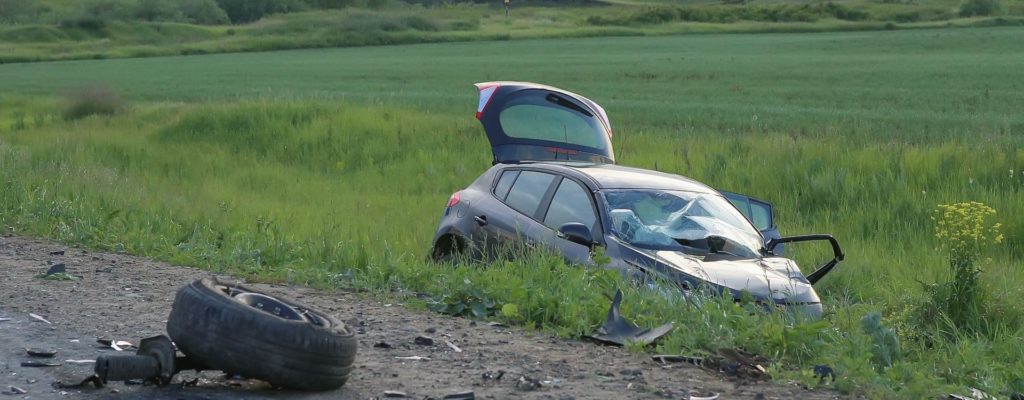
Car accidents are traumatic experiences that leave victims dealing with injuries, medical bills, vehicle damage, and lost wages. After reporting your accident to the insurance company, you might receive a settlement offer within days—sometimes even hours. While this quick response might seem helpful, the reality is far different.
Insurance companies are businesses focused on profit, and they use specific tactics to minimize payouts. The first settlement offer is almost always significantly lower than what your claim is actually worth. Understanding why insurance companies lowball their initial offers helps you protect yourself from accepting inadequate compensation that won’t cover your current and future needs.
How Car Insurance Came About
To understand why insurance companies operate the way they do today, it helps to know the industry’s origins. The first automobile insurance policy in the United States was issued in 1897 to Gilbert J. Loomis by Travelers Insurance Company. This policy provided basic liability protection, covering Loomis if his vehicle damaged property or injured someone.
As automobiles became more popular throughout the early 1900s, accidents increased and insurance evolved. By 1902, insurance companies began offering fire and theft coverage alongside liability protection. Massachusetts became the first state to enact mandatory auto insurance in 1927, requiring drivers to prove financial responsibility before vehicle registration. Today, all states except New Hampshire require drivers to carry minimum liability insurance.
From the beginning, insurance has operated as a business model where companies collect premiums from many policyholders but pay out claims to relatively few. This fundamental structure means insurance companies profit by minimizing the amount they pay on claims—which directly impacts how they handle your accident settlement.
Why Do Insurance Companies Make Low First Offers?
Insurance companies make low initial settlement offers for six primary reasons: maximizing their profits, settling before you understand the full extent of your injuries, exploiting victims’ lack of knowledge about claim values, using computer algorithms that favor the insurer, pressuring financially vulnerable accident victims, and taking advantage of unrepresented claimants who don’t have attorneys.
Why Is the First Settlement Offer So Low?
Insurance adjusters are trained professionals whose job involves protecting their company’s bottom line. When you receive that first settlement offer, it’s the result of calculated strategies designed to save the insurance company money. Here are the six main reasons why initial offers are intentionally inadequate:
Profit maximization: Insurance companies are for-profit businesses with shareholders to satisfy. The less they pay out in settlements, the more profit they retain. Adjusters often receive bonuses or performance incentives based on how much money they save the company by getting claimants to accept low settlements. Every dollar they convince you not to claim goes directly to their bottom line.
Timing before full injury assessment: Insurance companies rush to make offers before you fully understand your injuries. Many accident injuries don’t show symptoms immediately—soft tissue damage, traumatic brain injuries, and psychological trauma can take days or weeks to manifest. By offering a settlement within 48 hours of your accident, adjusters hope you’ll accept before discovering the true extent of your medical needs.
Victim lacks knowledge of claim value: Most accident victims have never been through the claims process and don’t know how to calculate what their case is actually worth. Insurance companies exploit this knowledge gap. They know you probably don’t understand how to account for future medical expenses, lost earning capacity, pain and suffering, or permanent disability. Without this knowledge, you can’t recognize that their offer is inadequate.
Computer-generated estimates: Many insurance companies use software algorithms to calculate settlement offers. These programs analyze data like medical bills and lost wages, but they’re programmed to favor the insurance company. The algorithms can’t account for your unique circumstances, individual pain levels, or how injuries impact your specific life situation. They produce one-size-fits-all offers that systematically undervalue claims.
Financial pressure on victims: Insurance companies understand that accident victims often face immediate financial stress. You might be unable to work, facing mounting medical bills, and dealing with car repair costs. Adjusters exploit this vulnerability by presenting quick, lowball offers as immediate relief. They’re betting you’ll accept insufficient compensation rather than wait for a fair settlement while your financial pressure mounts.
No attorney representation: Insurance companies know that most claimants don’t hire attorneys immediately after an accident. Without legal representation, you’re negotiating against trained professionals who handle hundreds of claims annually. Adjusters assume unrepresented victims won’t understand negotiation tactics, won’t make effective counteroffers, and won’t follow through with a lawsuit if negotiations fail. This power imbalance allows them to offer far less than they would to an attorney-represented client.
In Nevada, these tactics are particularly effective because many accident victims don’t realize how the state’s legal system protects them or what their claims are truly worth under Nevada law.
What Should You Do Immediately After a Car Accident?
The steps you take immediately after an accident significantly impact your ability to recover fair compensation. First, seek medical attention for any injuries, even if they seem minor. Some serious injuries don’t show symptoms immediately, and delaying medical care gives insurance companies ammunition to claim your injuries aren’t accident-related.
Contact law enforcement to report the accident. A police report provides official documentation of what happened and establishes a record that insurance companies can’t dispute. When you notify your insurance company about the accident, be careful about what you say. Provide only basic facts—the date, time, location, and parties involved. Avoid giving recorded statements or detailed descriptions without speaking to an attorney first. Insurance adjusters can use your own words against you to reduce your settlement.
Document everything while you’re at the scene. Take photos of vehicle damage, injuries, road conditions, traffic signs, and anything else relevant. Get contact information from witnesses. Collect the other driver’s insurance information and driver’s license details. This evidence becomes crucial when insurance companies try to dispute fault or minimize damages. Never admit fault at the scene, even if you think you might have contributed to the accident—Nevada’s comparative negligence laws are complex, and statements made at the scene can unfairly harm your claim.
What Should You Do If You Receive a Lowball Offer?
When the insurance company presents their first settlement offer, resist the temptation to accept it immediately. The offer is a starting point for negotiation, not a take-it-or-leave-it final amount. Insurance adjusters expect rejection—they’ve built room into their budget for negotiation.
Don’t sign any release forms or settlement agreements without thoroughly reviewing them. Once you sign a release, you permanently waive your right to seek additional compensation for that accident, even if you later discover your injuries are more severe than initially believed or your medical costs exceed the settlement amount. This finality is exactly what insurance companies count on when they pressure you to “just sign and move forward.”
Before responding to any offer, calculate your true damages. Add up all current medical bills, estimated future medical expenses, lost wages, reduced earning capacity, property damage, and non-economic damages like pain and suffering. If you’re unsure how to value these elements—which most people are—contact an experienced personal injury attorney for evaluation.
Settlement negotiation is a complex process involving demand letters, counteroffers, documentation of damages, and potentially filing a lawsuit. While you’re not required to hire an attorney, studies show that attorney-represented claimants typically receive settlements three times higher than those who negotiate alone. Many personal injury attorneys, including Richard Harris Law Firm, work on a contingency fee basis, meaning you pay nothing unless they win your case.
What Are Nevada’s Car Insurance Requirements?
Nevada law requires all drivers to carry minimum liability insurance, commonly referred to as 25/50/20 coverage. This means $25,000 for bodily injury per person, $50,000 for bodily injury per accident, and $20,000 for property damage per accident. These minimums increased from the previous 15/30/10 limits in July 2018 to better reflect rising medical and repair costs.
Nevada is an at-fault state, meaning the driver responsible for the accident is liable for damages through their insurance. This differs from no-fault states where each driver’s insurance covers their own costs regardless of who caused the accident. In Nevada, proving fault is critical to recovering compensation.
Nevada law requires you to carry proof of insurance at all times while driving. You must present this proof to law enforcement upon request and when registering your vehicle. Driving without insurance carries serious penalties including license suspension, fines, and legal action if you’re involved in an accident. The Nevada DMV uses an electronic verification system called NVLIVE to monitor insurance compliance, and penalties increase based on the length of coverage lapse and number of previous violations.
Beyond the legal minimums, Nevada drivers should consider additional coverage. If you have a car loan or lease, lenders typically require comprehensive and collision coverage until you fully own the vehicle. Uninsured motorist coverage protects you when at-fault drivers lack insurance or carry only minimum coverage that’s insufficient to cover your damages. If you drive for rideshare companies like Uber or Lyft, you may need to notify your insurance company and adjust your policy, as personal insurance often doesn’t cover commercial driving activities.
How Can a Nevada Personal Injury Lawyer Help?
Negotiating with insurance companies without legal representation puts you at a significant disadvantage. Insurance adjusters are trained negotiators who handle claims daily, while most accident victims negotiate their first—and hopefully only—serious injury claim. An experienced personal injury attorney levels this playing field.
Nevada personal injury attorneys understand how to calculate the true value of your claim, including damages you might not consider on your own. They know how to prove fault under Nevada’s modified comparative negligence rule, where you can recover damages even if you were partially at fault—as long as you’re less than 51% responsible. Insurance companies often try to inflate your percentage of fault to reduce their payout, but attorneys know how to counter these tactics with evidence and legal arguments.
Personal injury lawyers handle all communication with insurance companies, protecting you from making statements that could harm your claim. They gather evidence, consult with medical experts about future treatment needs, and build comprehensive demand letters that insurance companies take seriously. When adjusters know you have legal representation, they’re more likely to make reasonable offers because they understand you’re prepared to file a lawsuit if necessary.
Richard Harris Law Firm has served Nevada accident victims since 1980, recovering billions of dollars in settlements and verdicts. We work on a contingency fee basis, meaning you pay no upfront costs and no attorney fees unless we win your case. Our team is available 24/7 because we understand that accidents don’t happen on a schedule, and you need answers when stress and confusion are highest. We know Nevada law, Nevada courts, and how Nevada insurance companies operate—and that local expertise makes a measurable difference in the results we achieve for our clients.

Why Hiring a Car Accident Attorney Is Important
Insurance companies make low first settlement offers because it’s profitable—they save money when accident victims accept inadequate compensation before understanding their claim’s true value. By rushing offers, exploiting knowledge gaps, using computer algorithms, and pressuring financially vulnerable victims, insurers protect their bottom line at your expense.
Don’t let adjuster pressure tactics rush you into a decision you’ll regret. Take time to understand your damages, seek medical treatment, and consult with an experienced Nevada personal injury attorney. Richard Harris Law Firm has spent 40 years protecting Nevada accident victims from insurance company tactics—contact us today for a free consultation to learn what your case is truly worth.
Frequently Asked Questions
How Do I Know If an Insurance Settlement Offer Is Too Low?
Compare the offer to your total damages, including all medical bills, lost wages, future treatment costs, property damage, and pain and suffering. Insurance companies often make first offers lower than a claim’s actual value. If the offer doesn’t cover your current expenses and leaves nothing for future needs or non-economic damages, it’s too low. An experienced attorney can provide a realistic assessment of what your claim is worth based on similar cases in Nevada.
Can I Reject the First Settlement Offer from the Insurance Company?
Yes, you can and should reject settlement offers that don’t adequately compensate you. The first offer is a negotiation starting point, not a final offer. Insurance companies expect rejection and have budget room for negotiation. Rejecting an offer won’t cause the insurance company to revoke it or make a lower offer—that’s a pressure tactic adjusters use to rush your decision. Take the time you need to evaluate whether the offer truly covers your damages.
What Happens If I Accept a Lowball Settlement?
When you accept a settlement, you’ll sign a release form that permanently waives your right to seek additional compensation for that accident. Even if you later discover your injuries are more serious, your medical costs exceed expectations, or you develop long-term complications, you cannot reopen your claim or request more money. This is why insurance companies rush to settle before you understand the full extent of your injuries—they know the release protects them from future liability regardless of what happens to you.
How Long Do I Have to Accept an Insurance Settlement in Nevada?
In Nevada, you have 2 years from the accident date to file a personal injury lawsuit under NRS 11.190. Despite what insurance adjusters might suggest with urgent language and pressure tactics, you don’t need to accept an offer immediately. Take the time necessary to understand your injuries, complete medical treatment, and accurately assess your damages. Missing the 2-year deadline means losing your right to compensation, but accepting a settlement in the first few days or weeks after an accident almost always results in inadequate compensation.
Do I Need a Lawyer to Negotiate a Car Accident Settlement?
While not legally required, hiring a personal injury attorney significantly improves your settlement outcome. Studies show that attorney-represented claimants receive settlements approximately three times higher than unrepresented victims. Most personal injury attorneys work on contingency fees, meaning you pay nothing upfront and only pay attorney fees if they win your case. Given the complexity of Nevada law and insurance company tactics, professional representation typically results in better compensation even after attorney fees.