


Storage Facility Injury Lawyer: Injured at a Storage Facility in Nevada
Key Takeaways
- Storage facility rental agreements cannot shield facilities from liability for gross negligence or intentional misconduct under Nevada law, even if you signed a waiver.
- Nevada’s statute of limitations gives you two years from the injury date to file a personal injury claim (NRS § 11.190), so document the accident scene and report it to facility management immediately.
- You can still recover compensation even if you were partially at fault, as long as your fault percentage is less than 50% under Nevada’s modified comparative negligence rule.
Getting injured while moving belongings into or out of a storage unit creates a confusing situation. Unlike other businesses where liability is clear-cut, storage facilities operate on a self-service model that complicates responsibility. You’re doing the physical work on someone else’s property, often under a rental agreement that limits the facility’s liability. If you’ve been hurt at a storage facility in Nevada, understanding your rights and who’s responsible for your injuries is the first step toward getting the compensation you deserve.
Nevada storage facilities are common in transient areas like Las Vegas, Henderson, and Reno. People constantly move in and out of the state, making storage a necessity. These facilities provide the space while you handle everything else—moving items in, stacking boxes, and securing your unit with your own lock. Most facilities sit behind gated security with keypad access, offering protection for your belongings and supposedly for you as well.
But when an accident happens on their property, determining fault becomes complicated. This guide explains the most common injuries at Nevada storage facilities, who bears responsibility when you’re hurt, what compensation you can recover, and the legal steps you need to take.
What Are the Most Common Injuries at a Storage Facility?
Storage facilities involve considerable manual labor and physical risk. Moving heavy furniture, navigating tight spaces, and working around equipment creates multiple opportunities for accidents. Nevada’s extreme heat adds another layer of danger, particularly during summer months when temperatures inside non-climate-controlled units can become hazardous.
The most frequent injuries at storage facilities include:
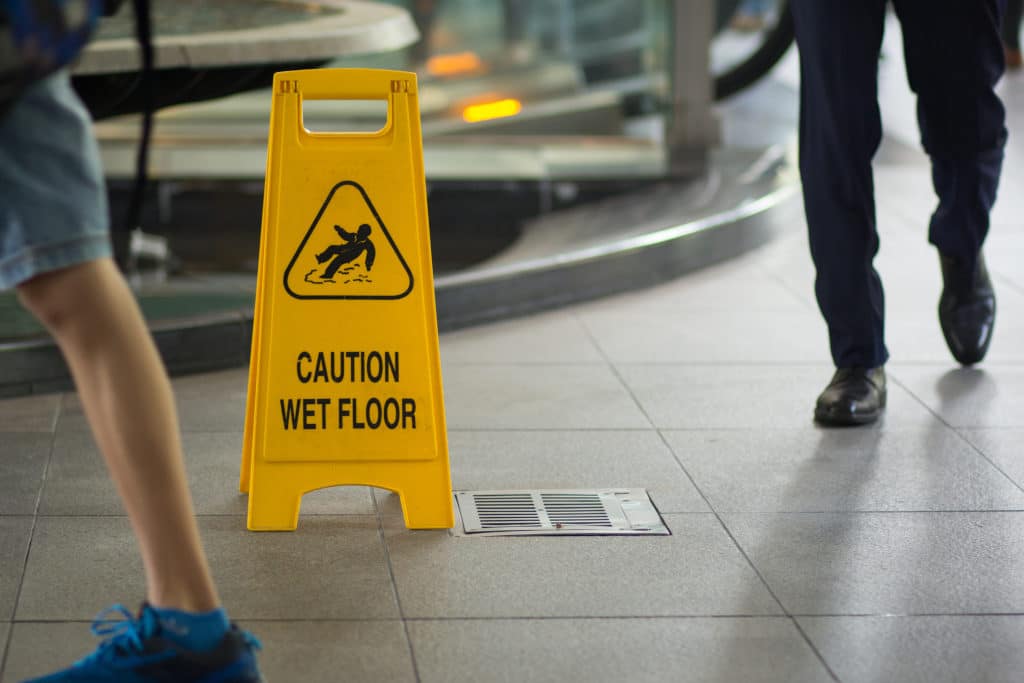
- Slip, Trip, and Fall Accidents: These are by far the most common incidents. Wet floors from roof leaks, uneven pavement in parking areas, broken concrete walkways, and poor lighting all contribute to falls. Nevada facilities that don’t maintain walkways or provide adequate lighting create dangerous conditions. Falls can result in broken bones, sprained ankles, back injuries, and head trauma.
- Strains and Sprains: Heavy lifting causes muscle strains and ligament sprains, especially when people overestimate their capabilities or handle awkward, oversized items. Back injuries from lifting improperly are particularly common and can have long-term consequences.
- Falling Objects: Improperly stacked boxes or items stored on high shelves can fall and strike people below. Head injuries, neck trauma, and back damage can result from falling objects, particularly when facilities allow or encourage stacking items to maximize space.
- Equipment Malfunctions: Storage unit doors can fall unexpectedly if hinges or tracks fail. Automatic gates may close on vehicles or pedestrians if sensors malfunction. Hand trucks and dollies provided by facilities can break, causing people to fall or drop heavy items. These equipment failures can cause serious crush injuries.
- Heat-Related Illness: Nevada’s summer heat is dangerous, especially in enclosed metal storage units. Heat exhaustion and heat stroke can occur when working in these spaces without proper ventilation or breaks.
Regardless of how minor your injuries seem initially, seek medical attention. Some injuries don’t show symptoms right away, and having medical documentation from the start strengthens any potential claim.
Who Is Responsible for Your Injuries at a Storage Facility?
Determining responsibility for storage facility injuries isn’t always straightforward. The self-service nature of these businesses creates gray areas that rental agreements try to exploit. However, Nevada law still holds property owners accountable when their negligence causes harm.
Storage facility owners and operators are typically the first parties examined for liability. Under Nevada premises liability law, property owners must maintain reasonably safe conditions and warn visitors of hazards that aren’t obvious. When a facility owner knows about a dangerous condition—or should know about it through reasonable inspection—and fails to fix it or warn customers, they can be held liable for resulting injuries.
For storage facility injuries, premises liability requires proving four elements: the facility owner owed you a duty of care, they breached that duty through negligence, their breach directly caused your injuries, and you suffered actual damages. As a paying customer (legally called an “invitee”), you’re owed the highest standard of care. Facility owners must actively identify potential hazards and take steps to protect you from foreseeable harm. This means regular inspections, prompt repairs, adequate lighting, clear walkways, and functional safety equipment.
Common examples of facility negligence include failing to fix broken pavement, not providing adequate lighting in hallways or parking areas, allowing water leaks to create slippery surfaces, not maintaining security gates properly, and failing to repair damaged storage unit doors. If you need legal guidance on premises liability claims, our Las Vegas slip and fall attorneys can evaluate your case.
Other parties may also bear responsibility. Equipment manufacturers can be liable if defective dollies, hand trucks, or facility-provided moving equipment caused your injury. In rare cases, another tenant might be responsible if their negligent behavior directly contributed to your accident.
How Rental Agreements Affect Liability
Storage facility rental agreements typically include broad liability waivers and release clauses. These provisions attempt to shield facilities from responsibility for injuries or property damage. You’ll often see language stating items are stored “at your own risk” or that the facility is “not liable for any injuries sustained on the premises.”
While Nevada law allows businesses to limit their liability through contracts, these waivers have limits. Facilities cannot escape responsibility for their own gross negligence or intentional misconduct. Gross negligence means reckless disregard for your safety—conduct that goes far beyond ordinary carelessness. For example, if a facility knows about a severely broken gate that’s injured multiple people but refuses to repair it, that likely constitutes gross negligence that a waiver can’t protect.
Additionally, liability waivers must be clear and specific. Vague or overly broad language may not hold up in court. Nevada courts examine these agreements carefully, especially when one party has significantly more bargaining power than the other. A skilled personal injury attorney can review your rental agreement and determine whether the facility’s liability waiver is enforceable in your situation.
The presence of a liability waiver doesn’t mean you don’t have a case. It simply means you need experienced legal counsel to navigate the complexities and identify paths to recovery that the rental agreement doesn’t block.
What Compensation Can You Recover After a Storage Facility Accident in Nevada?
If you can prove the storage facility owner or another party was negligent and their negligence caused your injuries, Nevada law allows you to recover several types of compensation.
- Medical Expenses: You can recover costs for all medical treatment related to your injury, including emergency room visits, hospital stays, surgery, diagnostic tests, prescription medications, physical therapy, and follow-up appointments. Keep detailed records of every medical bill and expense.
- Lost Wages: If your injuries prevent you from working, you can claim compensation for lost income, including wages, tips, bonuses, and other employment benefits you would have earned. This applies whether you missed a few days or several months of work during recovery.
- Future Medical Expenses: Serious injuries may require ongoing treatment, additional surgeries, or long-term physical therapy. Nevada law allows you to claim compensation for these future medical costs if they’re reasonably certain to occur.
- Pain and Suffering: Beyond economic losses, you can seek compensation for physical pain, emotional distress, loss of enjoyment of life, and the overall impact the injury has had on your daily activities and relationships. The amount depends on injury severity and the degree of the defendant’s negligence.
- Property Damage: If your personal property was damaged during the accident that caused your injury, you can include those losses in your claim.
- Punitive Damages: In cases involving particularly egregious conduct, Nevada courts may award punitive damages designed to punish the defendant and deter similar behavior. These are reserved for cases showing malice, fraud, or oppression.
Nevada follows a modified comparative negligence rule. If you share some fault for your injuries, your compensation will be reduced by your percentage of fault. For example, if you were texting while walking and didn’t see a hazard, a jury might find you 20% at fault. Your total compensation would be reduced by 20%. However, if you’re found more than 50% at fault, you cannot recover any compensation. This makes it crucial to work with an attorney who can present evidence showing the facility’s negligence, not your actions, was the primary cause of your accident.
Your attorney will calculate the full value of your damages and negotiate with the facility’s insurance company to pursue maximum compensation. Insurance companies often make lowball initial offers hoping you’ll accept quickly. Don’t settle before understanding the complete extent of your injuries and their long-term impact.
Get Help From an Experienced Nevada Personal Injury Lawyer
If you’ve been injured at a storage facility in Nevada due to someone else’s negligence, you deserve compensation for your medical bills, lost wages, and pain and suffering. Storage facility injury cases involve unique challenges, including rental agreement liability waivers and questions about who’s truly responsible when you’re hurt on self-service property.
The Richard Harris Law Firm has represented Nevada injury victims for over 40 years. Our team understands Nevada premises liability law, knows how to overcome liability waivers, and has the resources to investigate facility negligence thoroughly. We deal directly with insurance companies so you can focus on recovery. Don’t let a storage facility escape responsibility for your injuries. Contact us today for a free consultation to discuss your case.
Frequently Asked Questions
Is There a Time Limit to File a Claim for Compensation From Injuries at a Storage Facility?
Yes. In Nevada, the statute of limitations to file a personal injury claim is two years from the date of the injury. If someone died from their injuries, the family has two years from the date of death to file a wrongful death claim. There are limited exceptions to this rule, but generally the two-year deadline is strictly enforced. Missing this deadline means losing your right to pursue compensation.
What if I’m an Employee of the Storage Facility and Get Injured?
If you’re a storage facility employee injured on the job, you typically cannot file a personal injury lawsuit against your employer. Instead, you must file a workers’ compensation claim. Nevada’s workers’ compensation system provides benefits for medical treatment, partial wage replacement, and disability benefits regardless of fault. In limited circumstances involving third parties or intentional harm, you may have additional legal options.
What if I Don’t Think I’m Hurt Right Away but Later Realize I’m Injured?
Seek medical attention immediately once you realize you’re injured, even if time has passed since the accident. Some injuries like concussions, internal bleeding, or soft tissue damage don’t show symptoms right away. Report the incident to the facility management as soon as possible and document when symptoms appeared. Under Nevada’s discovery rule, the statute of limitations may begin when you discovered or should have discovered the injury, though this can be complex to prove.
What Should I Do Immediately After Getting Injured at a Storage Facility?
First, seek medical attention even if injuries seem minor. Report the incident to facility management immediately and get a copy of any incident report they create. Document everything: take photos of the accident scene, your injuries, and the hazard that caused your fall or injury. Get contact information from any witnesses. Keep your rental agreement and all communications with the facility. Do not give recorded statements to insurance adjusters without speaking to an attorney first.
How Do Rental Agreements Affect My Claim?
Most storage facility rental agreements include liability waivers attempting to limit the facility’s responsibility for injuries. However, Nevada law doesn’t allow facilities to escape liability for gross negligence or intentional misconduct through contract language. A personal injury attorney can review your specific rental agreement and determine whether the waiver is enforceable or if exceptions apply to your case.
Can I Still Recover Compensation if I Was Partially at Fault?
Yes, as long as you’re not more than 50% at fault. Nevada uses a modified comparative negligence rule that reduces your compensation by your percentage of fault. For example, if you’re found 30% at fault and your damages total $100,000, you would recover $70,000. However, if you’re 51% or more at fault, you cannot recover anything. This makes it essential to work with an attorney who can minimize your attributed fault.
What If the Storage Facility Claims I Signed Away My Rights?
Storage facilities often point to liability waivers in rental agreements to deny responsibility. While these waivers have some legal weight, they cannot shield facilities from liability for gross negligence, intentional harm, or violations of Nevada safety regulations. Courts scrutinize these one-sided agreements carefully. An experienced attorney can identify whether the waiver is overly broad, unclear, or unenforceable under Nevada law.
Why Do I Need a Lawyer?
Storage facility injury cases involve complex liability issues, rental agreement interpretation, and insurance company tactics designed to minimize payouts. The Richard Harris Law Firm has recovered billions of dollars for Nevada clients over 40 years. We handle negotiations with insurance companies, investigate facility negligence, gather evidence, and go to trial if necessary to get you the settlement you deserve. Call us today for a consultation.