


Dangerous Conditions in a Parking Garage
There are many dangerous conditions in a parking garage.
Accidents and injuries due to these circumstances happen in parking garages more often than you may think. Especially in the more populated cities like Las Vegas, Henderson, and Reno.
If you were in a Nevada parking garage accident then call the Law Offices of Richard Harris.
Who Can Be Held Liable?
Every parking garage case is different. Each one has a unique set of circumstances.
The party that controls, maintains, or manages the parking garage is most likely to be held responsible in these situations.
Under Nevada law, the parking garage must maintain a reasonably safe environment.
- Property Owners: Owners of casinos, hotels, malls, office towers, and other properties must maintain a safe environment. Poor lighting, slippery floors, and structural hazards can cause accidents and injury. Owners can be held responsible.
- Property Manager: The property management company can be held liable when there is a failure to upkeep the property. Lack of inspections or repairs is often to blame.
- Security Companies: If security is lacking, the company in charge can be held liable. Security companies, in many cases, have an obligation to make sure that cameras, lights and gates are all in working order. An acceptable and appropriate amount of security guards on duty is always vital to the safety of a garage.
- Maintenance Contractors: Contractors can be held liable. Oil slicks, trash, wet floors, and faulty lighting can cause an accident. These type of issues must be handled within a reasonable amount of time.
- Drivers or Third Parties: A driver using the parking garage can be held liable. Leaving an oil spill or debris can cause an accident. Speeding, or driving distracted may be to blame for the accident.
Nevada parking garage accidents can be very complicated.
Having an experienced and respected attorney on your side that understands dangerous condition claims, can be beneficial to the outcome of your case.

Common Dangers in Nevada Parking Garages
Nevada law requires owners and operators to maintain reasonably safe conditions.
Dangerous conditions can occur in many ways.
These are some of the most common.
Poor Lighting: Lighting issues can cause a dangerous condition under NV premises liability law. Property owners or operators are typically responsible when this contributes to an injury. To prove poor lighting, you will need to show certain things.
- The lighting was unreasonably dim or nonexistent
- The owner should have been aware
- The poor lighting contributed to the injury
- Actual damages were suffered due to the poor lighting
Broken Gates and Barriers: This is a common dangerous condition. Broken gates create an unpredictable situation in the parking garage. This is often considered negligence when gates are left unrepaired and injury occurs.
There are many reasons for how injury can occur from this dangerous condition.
- Mechanical malfunction causes the gate to strike a vehicle or person
- Failure to service the gate
- Obstructed pathways can force unsafe driving conditions
- Failures in security and broken barriers can allow unauthorized entry
- Exposed hardware or broken arms can cause pedestrian hazards
Unclear or Missing Signage: Poor or missing signage disrupts the flow of traffic and people moving safely in the parking garage. This creates a dangerous condition. Owners and operators must provide clear, accurate, and visible signage that prevents accidents and harm.
- Confusing directions, markings, and arrows are missing or unclear
- Hidden warnings, obstructed speed limits, confusing pedestrian crossings, and low clearance signs
- Lack of hazard notices
- Vague rules for no parking, permit only, and handicap spaces can lead to disputes and accidents
Lacking Security Measures: Owners and operators have a general duty to take reasonable safety steps. When security is inadequate, they can be held liable for injury.
- Poor and broken lighting make for a dangerous parking garage
- Missing or broken cameras are liability issues
- Lack of security staff
- Failure to address the criminal activity on the property is hazardous
Tight Turns and Blind Spots: These are both common design hazards in parking garages. This is a problem that increases the risk of a collision. This can affect both drivers and pedestrians. Poor visibility around corners is a main reason for crashes.
- Poor layout creates unreasonable visibility dangers
- Mirrors, lighting, and traffic control is not adequate
- The owner was aware and did nothing about it
- Unsafe design contributed to the crash

Hire Richard Harris
The Law Firm of Richard Harris is here to help 24 hours a day.
We will protect your rights and seek to get you the maximum compensation.
- Parking Lot and Garage Accident Experience: We represent injured victims of parking garage accidents. This includes pedestrians and other drivers. There are many reasons for injuries, like backing up vehicles, driving distracted and reckless. If there were a hazard or dangerous condition, we will hold the responsible person or party liable.
- Nevada Personal Injury Law: Richard Harris has represented injured Nevadans since 1980. We focus on getting victims the maximum compensation and holding those responsible liable.
- Investigate Liability: Parking garage cases can have more than one person responsible. We will gather evidence and investigate all the facts and details of the claim to determine liability.
- We Know Nevada: We have offices in Las Vegas and all over the state of Nevada. Our team of personal injury attorneys is here to guide you from start to finish.
- Free Consultation: We are available 24/7. If you’ve been injured in a Nevada parking garage accident, call us today. The first consultation is always free.

Successful Parking Garage Injury Claim?
A successful parking garage injury claim will need evidence proving negligence. It will be vital to your case to prove the fault of an owner, operator, driver, or any other party that caused the injuries.
There are 4 key fundamentals that courts look for as proof.
These include duty, breach of duty, causation, and damages.
The stronger the evidence, the better chance you will have at receiving maximum compensation.
Here are some of the common types of evidence that will be needed.
- Photos and Video: Your claim will need to show evidence of poor lighting, tight turns, missing warning signs, or other dangerous conditions to be successful.
- Witness Statements: Having a witness that saw the hazardous condition can be a significant part of a parking garage claim.
- Camera Footage: Getting this type of evidence will be much more difficult to get without an attorney. Often the hazardous condition is captured on the cameras.
- Incident Reports: This should be filed with law enforcement, property owner or garage operator. This will show proof that the accident occurred with the time, date and other important details.
- Maintenance Records and Security Logs: If there were prior complaints then it will show that the owner / operator was aware of the dangerous condition. This can be used in court as evidence.
- Medical Expenses: Documentation showing proof of injury and expenses will be needed. You will have to prove that you were injured and medically treated in your claim.
- Financial Loss: This includes all the medical expenses. Lost income and rehabilitation expenses must be documented. Expenses can go into the future. Severe injuries can cause long lasting financial loss. This will all need to be proven.
Most Likely to be Injured?
Everyone is at risk when they enter a parking garage.
However, there are certain groups that have more risk of being injured than others.
- Pedestrians: Those walking to their vehicles or from them are at the highest risk for injury. Drivers can be reckless and in a hurry to park or exit; this puts those on foot in serious danger. Blind corners and poor lighting can increase the odds of being hit.
- Older Adults: Seniors are more vulnerable to slip and fall accidents in parking garages. Stairs and vision challenges can add to the risk. This can result in injuries to the head and hips, which can often be serious.
- Kids: Children are harder to see in parking garages. Vehicles coming around tight corners can be unpredictable. Small children are difficult to see when backing out.
- Disabled Persons: Poorly lit parking garages are dangerous to those with disabilities. If they are on a scooter, wheelchair, or crutches, parking garages are high risk.
- Employees and Workers: These workers are on the front lines. They are at risk due to the ongoing exposure to all the dangers of the parking garage.

Statute of Limitation in Nevada
A parking garage injury in Nevada is most often treated as a personal injury claim.
The general statute of limitations is 2 years from the date of the injury. Slip and fall accidents, unsafe stairs, ramps and flooring are common examples of parking garage accidents. Bad lighting, security and maintenance are some of the other dangers that cause accidents.
There are exceptions in these cases that may apply. The Nevada discovery rule can delay in some cases. If the parking garage was government owned there may be additional requirements.
Special tolling rules may apply to minors or handicapped individuals. If you have any questions regarding parking garage injuries, call Richard Harris.
We can provide you with the most up to date legal information concerning your specific case.
Prevent a Parking Garage Accident
The best way to avoid a parking garage injury is to be aware of the dangers, and stay alert.
Drivers and pedestrians have their part in parking garage safety.
Drivers: Slow down and drive cautiously. Parking garages, even under the best of conditions, can be dangerous. Watch out for pedestrians. Elevators, stairwells, and crosswalks are areas where pedestrians are most often. Don’t be distracted. Check mirrors and blind spots before backing out. Use headlights if visibility is poor. Follow all the rules and signs of the parking garage.
Pedestrians: Stay visible and avoid walking behind vehicles that are backing out. If possible, use designated walkways. Take out the earbuds so you are able to hear the sounds of traffic and those in the vicinity. Wear proper footwear and look out for water, oil slicks, debris, and other dangerous conditions. Be especially cautious around corners and ramps where there is limited visibility.
Report Hazards: If you see a dangerous condition, report it. This could be a lighting issue, a broken handrail, a pothole, liquid spills, and malfunctioning elevators. These tips can make a difference and reduce the chances of serious injury.
Common Injuries in Parking Garage Accidents
Parking garage injuries can be devastating. They can be wide-ranging, from a simple twist of an ankle to a more serious head or spinal injury.
Traumatic Brain Injury: This can happen when the head hits the hard concrete, steering wheel, or a number of other ways. These injuries will often include ER reports, CT and MRI findings, and neurological exams.
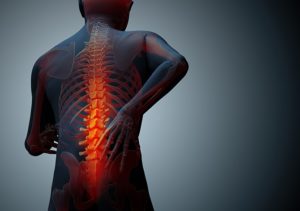
Spinal Injuries: This is seen in parking garage accidents with vehicle impacts and falls. This can cause neurological deficits and long-term mobility issues. Rehab and care in the future may be the result when the injury is severe.
Bone Fractures: These injuries will often need surgery. This can affect your ability to work. Physical therapy will be needed to make a full recovery. There is the chance that injuries can cause permanent damage.
Soft Tissue: Because this type of injury is often contested you will need to have consistent symptom documentation. An MRI can confirm this injury. No matter what the injury is, it will be necessary for you to keep all receipts and medical records to prove your claim.